
High up near the hills, Islamabad was built from nothing to serve as Pakistan’s capital. Not like older cities crowded with history, this one breathes calm through broad roads shadowed by trees. Clean sidewalks stretch far under quiet skies, framed by the rugged rise of the Margallas. If paths through green spaces pull you in, or if sitting at a new coffee spot sounds right, spots here fit how you like to move. From families wanting stillness to hikers chasing views, what matters shows up without fuss. Planning your time becomes easier when each place ties city rhythm to wild corners nearby.
Overview of Islamabad: The Green Capital
Built during the 1960s under plans drawn up by Greek architect Constantinos Apostolou Doxiadis, Islamabad took over from Karachi as Pakistan’s capital. Its layout follows a strict grid pattern made of sectors labeled with letters and numbers – F-6, G-7, E-7 – and that order brings clarity when moving around. First-time travelers find their way without hassle because the system removes guesswork. Instead of winding streets, there are straight lines, clear zones, predictable patterns. Even unfamiliar routes feel familiar after just one loop through the numbered blocks.
Home to embassies and global workers, Islamabad pulses with international energy. Once known mainly for bureaucracy, it now hums with creativity and cosmopolitan life. Art thrives here, not in galleries alone but on streets and in cafes. Meals unfold slowly in restaurants where flavors speak louder than menus. Green spaces breathe easily amid urban growth, shaped by careful planning few cities manage. Diplomats sip tea while artists sketch under trees – different worlds sharing one skyline.
Location and Best Time to Visit
Where is Islamabad Located?
High up on the Pothohar Plateau, you will find Islamabad in the north of the nation, tucked inside its own federal zone. Right beside it lies Rawalpindi, a military town with old roots, linked closely through shared roads and daily life. Though separate on maps, they move together like parts of one body – economy, transport, people blurring the line between them.
Best Time To Visit?
Most travelers pick October through April. That stretch covers autumn, then winter, followed by spring – each season treating the city gently. Temperatures in daylight shift between 10°C and 22°C, just right for walking trails, exploring corners of town, or eating outside where food stalls line the streets. When sun vanishes, things cool fast in winter. Night air sometimes dips to 2°C, so bringing clothes you can layer makes sense.
Hot days fill May through September. Come June, heat climbs past forty degrees. Then by July, rain begins its long soak across the hills. Wet trails follow when downpours drench every slope. Green bursts out stronger than before under gray skies. Muddy paths make walking tricky once storms settle in.
Major Attractions in Islamabad
1. The Iconic Faisal Mosque
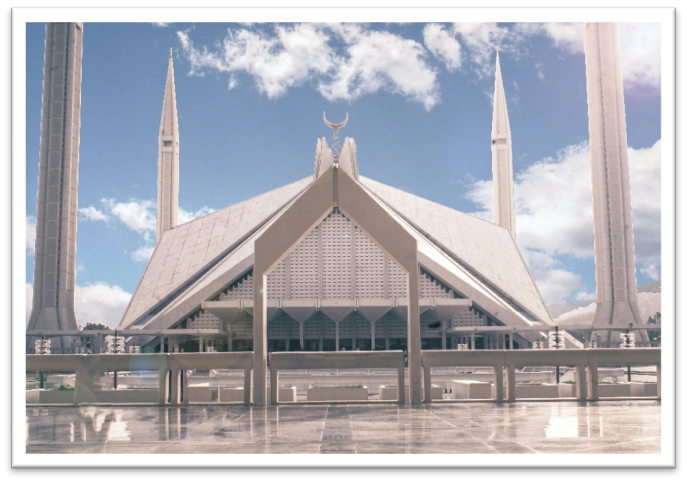
Standing tall near the Margalla Hills, the Faisal Mosque catches the eye with its clean white form rising into the sky. Not far from the city’s edge, this place of worship breaks away from old styles, skipping domes altogether. Instead, it takes shape like a desert tent, drawing inspiration from nomadic life. A Turkish designer named Vedat Dalokay gave it this bold look, making it stand apart globally. Four slender towers, each reaching 88 meters, frame the building quietly. When sunlight hits in the early hours, the marble glows softly behind rocky slopes. Known widely, it ranks among the biggest mosques on Earth, yet feels modern and grounded.
Ahmed’s design rises where city meets mountain ridge – sharp lines cutting across soft terrain near Islamabad. Stone pathways lead your eyes upward before stopping at slanted roofs shaped like desert tents. Gray tones blend into hillside shadows each afternoon when sun dips behind rocky slopes. No domes appear here instead angular walls point skyward like open hands. Visitors stand quiet beneath wide eaves that stretch further than expected. Cold air slips down from higher ground mixing with warm breath below.
2. Daman e Koh and the Margalla Hills Viewpoints
High above the city, Daman-e-Koh opens up a wide scene of the capital below. Sitting midway through the Margalla Hills, this spot draws many visitors without trying hard. Gardens shaped with care line the paths, leading to open decks where telescopes point at distant rooftops. Monkeys drop by often, moving freely through the trees and stone walls. From here, the air feels different, cooler, even when the streets far down bake under sun.
Up ahead, the road climbs through sharp turns toward Monal, perched above with wide outdoor dining spaces that serve real Pakistani flavors under evening skies lit by distant city glimmers below.
3. Exciting Hikes on Trail Three and Trail Five
Beside the city, a living mountain ridge rises up – people here often hike just because it feels natural. Trails start close, almost like part of daily life, thanks to rocky slopes that never stay quiet.
Up top, Trail 3 spreads out below your feet – ages old, packed with folks who like the hard push upward. The path cuts sharply uphill, rough underfoot, yet pulls you along just the same. At its peak, the skyline unfolds wide and clear, laid bare by height and effort. Few trails match what this one gives back after the grind.
Start here if you want something calm. This path moves slow through pines that block the sun, with benches tucked under branches every now and then. Water trickles nearby in small streams you can step close to. Morning light works well on this stretch, soft and quiet. Rest spots appear often enough to keep things easy. Families take their time along this one.
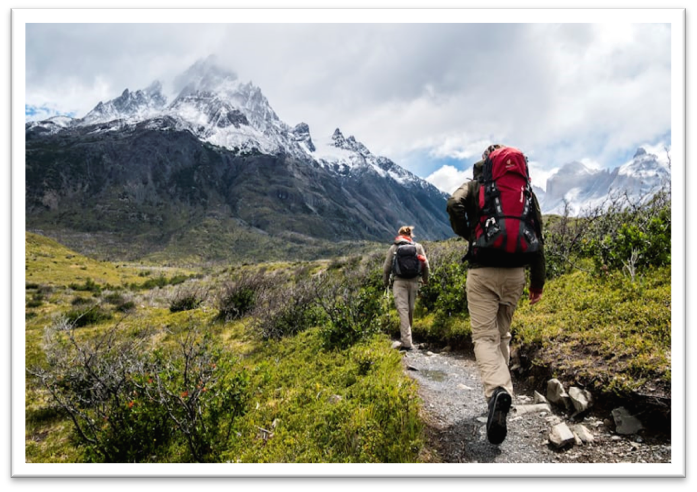
Through the thick green path they move, stepping carefully where sunlight slips between leaves overhead. Trees stand close on either side, forming quiet walls around hikers passing through Islamabad’s Margalla Hills. The air feels soft, carrying small sounds – footsteps, distant birds. Each person walks at their own pace, drawn forward by something beyond sight. Green shades blend into one another, shifting with every turn of the trail.
Recommended 1-3 Day Travel Plan
A three-day plan unfolds, mixing city sights with green spaces across Islamabad. Each day blends outdoor spots and local life without feeling rushed. Nature meets neighborhood walks through rolling hills and quiet parks. The rhythm stays smooth – morning light over Margalla trails, afternoons in leafy lanes near Daman-e-Koh, evenings strolling Blue Area sidewalks. Hills frame the skyline while streets hum below. This balance keeps discovery steady, never crowded. Days pass with ease: fresh air first, then market corners, temple steps, lake edges – all linked naturally.
Sunrise paints the sky when you first see Faisal Mosque, its grand shape standing quiet in the early cool. After that, head upward into the Margalla Hills – roads curling higher until Daman-e-Koh appears. The city spreads below later on, visible through slanting light and still air. As daylight fades, sit outside with food made slow and served warm, eyes fixed where sun dips behind far ridges. Night comes gently above rooftops stretched wide.
Morning light pulls you onto Trail 5 for a walk that wakes the senses. Instead of rushing, take time – breathe slow, step steady through scattered pine and dust. Once hunger hits, shift gears toward Shakarparian, where the Lok Virsa Heritage Museum waits. Inside, handmade textiles hang like stories frozen in thread, alongside masks, instruments, and old village tools arranged without fuss. Just beside it stands the Pakistan Monument – a shape like petals rising from stone, meant to say something about togetherness. As evening settles, tiny lamps spark one by one across its curves, turning cold marble into warm geometry.
Later that day, explore the lively Centaurus Mall – browse stores, catch a film, or just wander through bright indoor halls. Morning light settles on Rawal Lake, where slow boats glide across calm water while birds lift in quiet flocks overhead. Dinner waits near the close of day, served among old stone lanes and flickering lanterns in Saidpur Village. Paths twist between centuries-old walls, carrying voices and scents of simmering dishes into the evening air.
Essential Travel Tips for Tourists
Start anywhere in Islamabad, the streets follow a clear pattern. Picture key spots as you move through areas. Take “F-7 Markaz,” that’s the main market zone tucked within sector F-7. Spot it once, you’ll find your way next time.
Most people catch metro buses – they handle the busy Islamabad-Rawalpindi stretch without delays. When shifting across sectors or climbing toward hilltop views, apps such as InDrive or Yango step in – easy to find, dependable, cost next to nothing.
Every step you take matters. Stick to trails that are clearly marked while walking through the Margalla Hills. Bring more drinking water than you think necessary, just in case. Trash left behind harms animals, so never drop anything on the ground. Protecting where creatures live starts with small choices like these.
Nearby Places Worth Exploring
Khanpur Dam sits roughly sixty minutes by car from Islamabad. This bright blue lake draws visitors who love fast thrills on water. Speed across waves on a jet ski instead of just watching. Brave jumpers take flight off rocky cliffs into deep spots below. Others float above it all, gliding down by parachute after launching from high ground. Calm moments happen too – drifting slowly in small boats near quiet shores.
Hidden among quiet hills, Taxila sits just under an hour’s journey out. Once there, broken walls of old Buddhist monasteries rise from the earth like forgotten whispers. Instead of grand palaces, stone pathways lead to silent stupas worn by centuries. Inside one modest building, glass cases guard relics older than memory – items touched during Alexander’s march through Asia. Not far off, traces of Emperor Ashoka linger near weathered pillars carved long ago. Though time has cracked much, what remains speaks clearly.
Conclusion
Surprise often waits where least expected – this city blends quiet mountains with crisp urban design, unfolding into a lifestyle that shifts by the season. Peaceful streets meet careful architecture here, offering newcomers a gentle doorway into a country full of contrasts. Travelers seeking green spaces or steady rhythms find comfort without effort. Hidden energy pulses through its neighborhoods, revealing a version of Pakistan not always seen on maps. Each corner visited reshapes assumptions quietly.