
Built on centuries of kings and quiet power, Bahawalpur wears its past like a crown few cities can match. Not just another stop in Punjab, it rose under the watchful rule of the Abbasi Nawabs who shaped it with bold vision. Where sand meets stone, grand palaces rise – some carved in Italian dreams, others standing firm against time in the desert heat. Hidden among dunes and alleyways, forts once guarding old caravan trails still whisper stories of movement and might. Wandering here feels less like sightseeing, more like stepping sideways into a world where art and authority walked hand in hand. Every landmark hints at luxury long lived, not performed for visitors but born of real influence. Even today, wide parks breathe freely beside relics, giving space to both animals and memory. Tradition doesn’t shout; it lingers in patterns on walls, rhythms in craft, silences between minarets. To walk through Bahawalpur is to move slowly through layers – not just of dust, but legacy.
Overview of Bahawalpur: The Princely State
Born in 1748 under Nawab Bahawal Khan I, the city of Bahawalpur bloomed fast – wealth poured in, autonomy held strong. While power stayed within the Abbasi line, their love wasn’t just for thrones but soaring domes, learning halls, care for people. Palaces rose like stone poems, schools took root with purpose, systems ran without fuss. Grandeur mixed with duty, shaping a place where order and vision walked side by side.
Back then, right after 1947, the man who ruled Bahawalpur stepped forward without hesitation, joining Pakistan early on while lending vital funds to help it stand. These days, traces of royalty still breathe through the city – palaces rise like echoes of aristocratic Europe, yet sand and tradition shape daily life just as strongly.
Location and Best Time to Visit
Where is Bahawalpur Located?
Buried in the south of Punjab lies Bahawalpur, a quiet doorway opening into endless waves of golden sand. From here, the Cholistan Desert rolls outward – its dunes merging slowly with those of Sindh and Rajasthan’s Thar beyond.
Best Time To Visit?
Winter months bring mild days to Bahawalpur, perfect for sightseeing under clear skies. Between November and February, sunshine feels gentle rather than harsh on the skin. Daytime warmth stays comfortable, usually around 18°C up to 25°C. Exploring ancient forts outdoors becomes doable when the air isn’t scorching. The chilly season opens access to the vast Cholistan desert, otherwise too intense in heat. Only during these cooler weeks can visitors walk through open ruins without exhaustion.
Heat grips southern Punjab hard from March through October. Above 45°C isn’t rare when the sun climbs high. Sightseeing outside? Barely doable once daylight hits full strength. Travel plans tend to stumble in these stretches – comfort takes a nosedive. For visitors, that stretch feels more like endurance than exploration.
Major Attractions in Bahawalpur
1. The Enchanting Noor Mahal
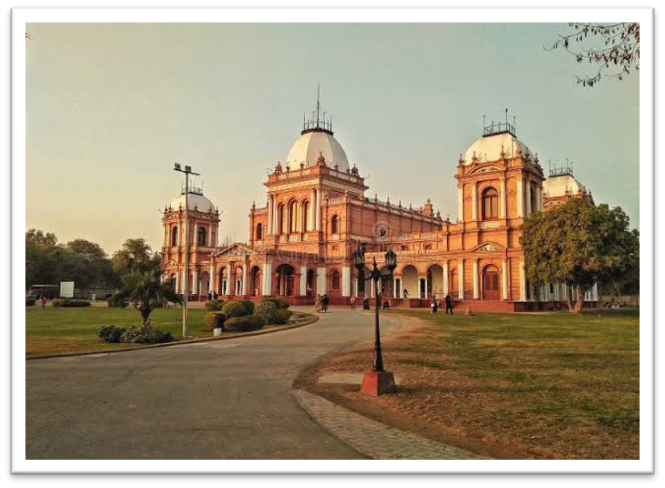
A grand sight rises in Bahawalpur – Noor Mahal stands out like a story carved in stone. This palace, finished in 1872, was shaped by Nawab Sadiq Muhammad Khan IV for the woman he married. Its look? Much like a noble house from Italy, yet touched with curves of old Islamic design. Tall arches meet wide domes, while European lines flow through every wing.
Up above, space stretches wide under towering ceilings lit by sparkling chandeliers made of crystal. Paintings done in oils hang quietly, each one rare, while golden-edged furniture rests firmly in place without hurry. When night comes close, lights switch on across the outside walls, turning stone into something glowing. A scene takes shape then – like pages lifted from an old story where kings once walked and shadows danced longer than memory. A golden glow wraps around the columns of Noor Mahal as dusk settles over Bahawalpur. Light climbs the stone steps, brushing past shadowed corners. Windows reflect fading blue above, quiet and still. The building stands tall under a softening sky, neither loud nor hidden. Evening air holds dust and distance near its grand frame. Lamps wake along the edges, tracing shapes from below. This is how history looks when lit just right – calm, watchful, present.
2. The Mighty Derawar Fort
From the dusty flats of the Cholistan Desert, Derawar Fort rises like a giant echo of old power. Not just large but sharply defined, its shape cuts through the emptiness with forty rounded towers stretching beyond thirty meters high. Seen from afar, these bulwarks emerge slowly on the horizon – silent, unshaken by time. Each one stands firm where wind and heat reshape everything else.
Back when a Hindu Rajput king first raised the walls, others later seized control. Taken over in 1733, the Abbasi Nawabs tore most of it down, then shaped it anew. Right beside stands the Derawar Mosque – carved from white marble, inspired by Delhi’s grand Jama Mosque. Nearby lies the Nawab family’s burial ground, quiet, set apart just for them.
A lone sentinel of time, the massive red-brick walls of Derawar Fort rise from the dust of Cholistan. Near Bahawalpur, they endure – silent, scorched by sun, shaped by wind. Centuries sit heavy on these ramparts, worn yet unbroken. Each level steps back like a memory climbing toward sky. Shadows stretch long when afternoon fades. Heat shimmers above stone that has seen empires pass. These fortifications do not speak, but their presence tells of watchful nights and forgotten banners.
3. Lal Suhanra National Park
Out here, where the land shifts between sand and green, lies a place wild at heart. About thirty five miles beyond the city sits Lal Suhanra, stretching wide under open skies. Nature lovers find their rhythm among its shifting dunes, while families wander trails less traveled. One of South Asia’s biggest protected areas, it holds secrets in every habitat – desert whispering into forest, then giving way to quiet marshes. Life thrives where these worlds meet, shaped by seasons and silence.
Home to a focused effort protecting the rare Indian rhino, this place also shelters blackbucks and deer. Migratory birds arrive in numbers at calm Patisar Lake. Boating happens here often. Bird lovers find plenty to see. Peace settles where water meets sky.
4. The Grand Darbar Mahal
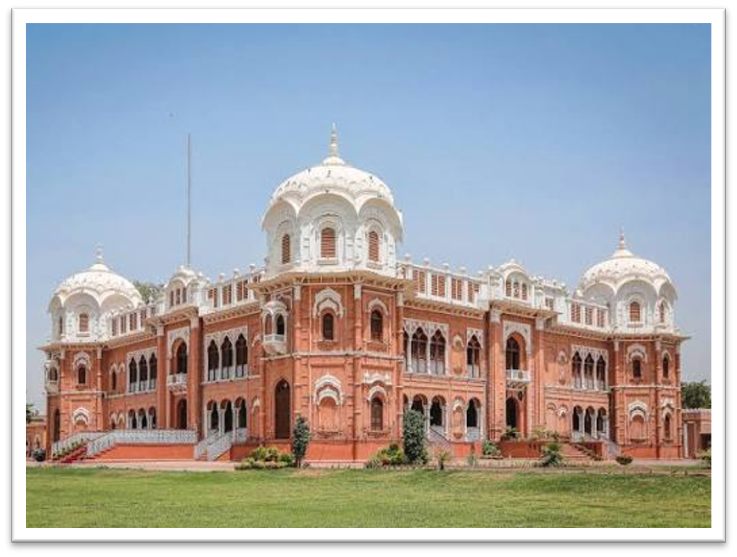
A grand palace rising under the Nawabs’ orders – Darbar Mahal stands firm. Red brick meets pale marble in its walls, each block telling an old story. Indo-Saracenic bones hold it together, shaped by Mughal hands yet touched by distant European grace. Styles twist here, not forced but grown into one form.
Outside the palace walls, glimpses of grand fountains catch the light, though entry inside stays limited now under official oversight. Sweeping garden paths unfold neatly below trimmed hedges, framed by towering stone fronts you can admire from elevated walkways. Beauty lingers even at a distance, where architecture stands tall beyond reach.
Recommended 1-3 Day Travel Plan
Start your journey by stepping into centuries-old palaces where kings once walked. One morning might unfold beneath golden dunes, far from city noise. Each day shifts – first stone courtyards echo stories, then wide sands stretch beyond sight. Move through days that balance ancient halls with open wilderness under shifting light.
Start at Shahi Bazaar, where old stone pathways lead between stalls selling hand-carved wood items along with slices of sweet Sohan Halwa on clay plates. Later that day, step into the quiet halls of the Central Library, its high ceilings echoing footsteps beneath arched windows. As sunlight fades, arrive at Noor Mahal – its marble courtyards open wide – and wander through dimming galleries before lights flicker on across painted domes.
Out here, time moves different. Morning light cuts across the road as wheels eat up distance toward Derawar Fort – two and a half hours of dust and sky. This fortress rises like something dreamed into stone, its walls thick with silence and centuries. Step past the gates, where wind hums through arched corridors, then find the mosque, cool white marble glowing under harsh sun. Faces appear near low huts – people who know how to live where others can’t survive. Their words are few, gestures wide, stories held in eyes more than speech. When shadows stretch long, climb onto a camel; let it sway you over rippling dunes while colors bleed across the horizon. Heat fades slowly on the return trip, city lights blinking awake far ahead.
Before lunch, wander among trees where animals move freely in Lal Suhanra. Later that day, head back toward town to step inside the quiet halls of Bahawalpur Museum – old crowns rest beside blades once carried by rulers, alongside disks of metal stamped centuries ago. As light fades, stroll across open lawns near Gulzar Mahal, where walls hold whispers of those who walked before.
Essential Travel Tips for Tourists
Out here, the path toward Derawar Fort bites back – rough ground waits under tires not built for sand. A sturdy 4×4 makes sense when wheels must push through cracked earth and shifting dunes. Someone raised on these routes should ride along; their memory maps what GPS forgets.
When traveling during the day, go for light cotton clothes. If your trip includes evenings in the desert, toss in a jacket or shawl – cold creeps in fast once the sun dips. Night air bites harder than expected out there.
Start exploring the sweets here. Bahawalpur earns praise nationwide because of its real Sohan Halwa – dense, filled with nuts, deeply rooted in custom. Near the ancient entrances of the old town, top neighborhood stores set up shop. You will find them where history stands close by.
Nearby Places Worth Exploring
Deep in southern Punjab, Uch Sharif sits roughly seventy-five kilometers west of Bahawalpur. Founded long ago – some say by Alexander himself – the town holds centuries within its soil. Among its weathered lanes stands the crumbling Shrine of Bibi Jawindi, built during the 1400s. What catches the eye most? A dazzling cover of blue and white tiles, still clinging to the old walls despite time’s pull. These glimmering fragments bring scholars who study the past, along with those drawn to light and form through a lens. Beauty here does not shout – it lingers.
Where the five big rivers of Punjab come together lies Panjnad Headworks, a place full of quiet beauty. Families often gather here when the sun begins to dip below the horizon. Instead of rushing through meals, they sit by small stands that serve hot, crispy fish pulled straight from nearby waters. Boats drift slowly on broad stretches of calm river, offering moments far from noise and hurry.
Conclusion
Hidden among Pakistan’s southern plains, Bahawalpur quietly reveals centuries of royal life and desert wanderings. Not many know it, yet its marble palaces shaped like old European dreams rise boldly against sandy skies. Instead of crowds, you find silence near ancient fortress walls baked by relentless sun. Craftsmen here still shape goods with hands trained by generations before them. Skip the usual paths taken by most travelers – this city holds something different. Grand buildings whisper stories if you walk close enough. Elegance shows up in quiet ways: tile patterns, courtyard shadows, soft spoken greetings. Visitors remember more than sights – they recall how it felt to be there. A corner of Punjab few see, but those who do tend to stay longer than planned.