
Lights flicker on tall buildings as dusk settles over a busy port town by the sea. From dawn till late night, streets hum with voices speaking many languages at once. People arrive here from distant villages, drawn by work, dreams, or just change. Old British-style houses stand near shiny new towers built last decade. Walking through Saddar feels like flipping pages of a worn-out history book. Sand stretches along coastline paths where kids fly kites each weekend. Museums hide quiet corners filled with forgotten objects from long ago wars. Food carts line roadsides serving spicy bites nobody eats quietly. Each meal tells stories older than most buildings around. Travellers often leave full, surprised by flavours they cannot name. Ferry rides cut across water toward islands few tourists ever reach. Markets buzz louder after sunset when workers finish their shifts. Tuktuks dodge buses painted in bright colours and bold slogans. Every corner offers something unscripted, unplanned, raw. This place runs nonstop, breathing faster than most cities know how.
Overview of Karachi: The City of Lights
Back then just a small walled settlement called Kolachi, it changed almost overnight once the British took hold, turning into a key harbor on their trade routes. After 1947 and the split of India, this place became Pakistan’s starting point as its capital, filling up fast with newcomers carrying flavors, crafts, and ways of building businesses from faraway towns.
Now home to millions, this city wears its role as Sindh’s beating heart without fanfare. Close your eyes near the old bazaar – you might hear echoes of horse carts on cobbled lanes. Open them again, and glass towers shimmer under the coastal sun. Fishermen untangle nets beside harbor cranes that stretch into clouds. Past meets present not with drama, but daily rhythm.
Location and Best Time to Visit
Where is Karachi Located?
Karachi sits by the Arabian Sea in southern Pakistan. Along its shore, a long stretch of coastline unfolds – home to wild beaches, tangled mangroves, while hidden creeks weave through the land. Its deep natural harbor runs for many kilometers, shaped by sea and soil over time.
Best Time To Visit?
Most travelers arrive between November and February. Winter here feels just right – not too hot, never cold. A soft wind comes off the water each day. Temperatures stay between 15°C and 28°C. Dry skies make walking around easy. This stretch of months favors long strolls along the shore. Food markets buzz under clear afternoons. Cool air moves through alleyways where grills smoke. Few times of year offer such steady comfort.
Heat builds from March onward, sticky air hanging heavy through summer. Around midyear, rains arrive – steady downpours that soak everything. By June, waves swell under gray skies, rough enough to keep most people out of the water. Thirty-five degrees shows on thermometers, though it feels hotter when sweat won’t dry. Storms roll in strong, turning calm shores into risky stretches by late morning.
Major Attractions in Karachi
1. The Quiet Beauty of Clifton Beach with Ocean Views
By far the best-known spot in Karachi, Clifton Beach draws big crowds daily. Thousands show up each night just to feel the cool wind off the water. Dark grains of sand stretch wide underfoot, unusual compared to most shores. People stroll into the surf, letting waves rush around their feet as daylight fades. Watching dusk settle here feels like part of living in the city. You might hop on a painted dune buggy that bounces down the coast. Or try a camel walk – lively, shaky, full of motion. Between bites of hot roadside snacks, laughter spreads through families spread across blankets. Sun dips low, sky shifts color, moment passes without announcement.
A golden glow spreads across the sand where visitors sit high on camels near the water’s edge at dusk. Waves roll in slowly behind them while shadows stretch long under fading light. The beach stretches far, open and calm beneath a soft orange sky. People smile, relaxed, as they move gently forward with each step the animals take. This moment unfolds quietly along Clifton’s shore just as day slips into night.
2. The Grand Mausoleum of Quaid e Azam
White marble covers the tomb where Muhammad Ali Jinnah, known as Quaid-e-Azam, lies. Construction finished in the 1960s, giving shape to a bold structure blending clean lines with subtle echoes of Mughal design. A large dome sits above, while tall narrowing arches add sharp contrast against open sky. Surrounding greenery spreads across fifty-three hectares, carefully shaped into lawns and pathways. Nearby, beyond the southern edge, Mohatta Palace occupies its own quiet space. Each day at fixed hours, young soldiers march precisely through ritual guard changes. Many who come pause there, standing still during the brief performance.
3. The Pakistan Navy Museum Is Interesting
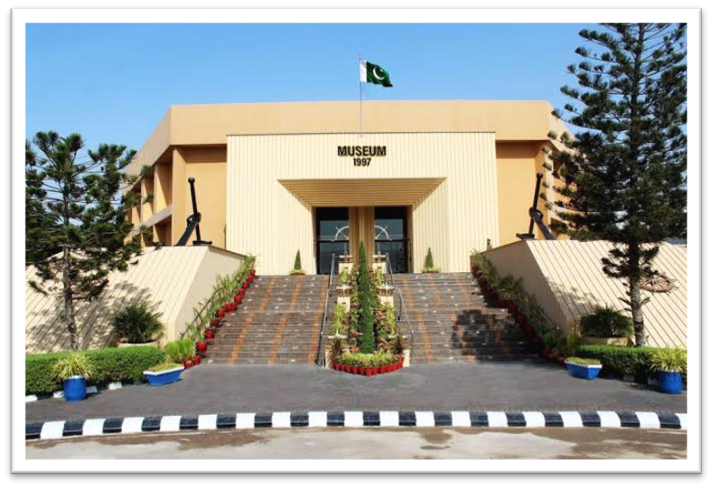
Kids and those who love the past will find something real to enjoy at the Pakistan Navy Museum, where learning happens under open skies. Out among wide lawns, you come across actual war machines once used by the navy – silent submarines pulled ashore, fighter planes on stands, heavy guns meant for sky battles, even retired ships standing still. Step into the central hall, and smaller things catch your eye: tiny versions of great vessels built with care, maps drawn long ago showing sea routes, objects pulled from old ports telling quiet stories of waterborne defense through time.
A hulk of steel rests under open sky, once a vessel beneath waves, now silent among museum paths. This former war machine sits idle, stripped of duty, its hull marked by time and salt. Visitors walk near, looking at curves built for depth and stealth. Paint fades where sun meets iron, seasons wearing down sharp edges. Water no longer rushes past its frame, only wind moves through nearby flags. Once armed, always watchful, it served patrols beyond horizons. Now anchored above ground, history fixed in place for eyes to follow.
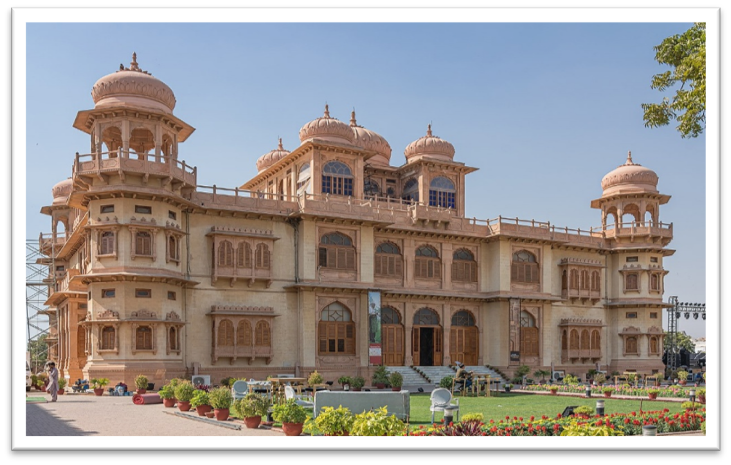
4. Mohatta Palace and Heritage Art Standing since 1927, this seaside mansion was raised by a prosperous Hindu merchant seeking cool mountain air. Pinkish stone from Jodhpur blends with pale regional rock to shape its elegant frame. Look closer – delicate patterns run through the stonework, while domes rise like quiet crowns above. Windows glow with colored glass, catching light in soft bursts. Now, instead of private halls, visitors walk galleries filled with shifting displays. Threads of old crafts unwind beside bold modern pieces. Art lives here differently these days – not locked away, but seen.
Recommended 1-3 Day Travel Plan
A whirlwind three-day plan unfolds, built for newcomers who want history, culture, and seaside views all in one go. Each day packs sharp moments – ancient streets appear beside ocean breezes without slowing down. Moments stretch from museums into markets, then land on harbor paths by late afternoon. Time moves quick but fills deep, shaped around what matters most when seeing a place fresh.
Before breakfast, find the old clock face rising above Empress Market in Saddar – its stone ribs shaped under a distant empire. Next, shift toward Mazar-e-Quaid where sunlight bounces off broad slabs of white marble, soldiers shifting stance on cue. Later, let footfalls carry you across polished floors inside Mohatta Palace, each room holding still air and painted ceilings. Time slows among these walls long after dusk settles.
Morning light hits the old ships outside the Pakistan Navy Museum – step close, look inside actual submarines. Roads open toward Clifton after that, tires rolling past quiet lanes until hunger pulls you into a bright-lit cafe serving plates with herbs on top. Later, when sun dips low, sand stretches ahead near water’s edge where camels wait, slow-moving beside crashing waves. Dinner waits farther down – a wooden deck over sea, salt in air, food arriving without fuss as darkness folds in.
Out on the water by nine, a weathered sailboat cuts slow lines toward Manora under a slanting sun. The island waits with salt-scoured paths leading past an old lighthouse, silent now but still standing tall. Beaches stretch empty, softened by tides that erased footprints hours before. Back ashore, heat lifts slowly as street lamps flicker above Burns Road. Smoke curls from grills where pots bubble without hurry. Plates change hands amid chatter, each bite shaped by decades of unseen hands. Night folds in around flavor, sharp and real.
Essential Travel Tips for Tourists
Getting around takes patience. Mornings might flow better, yet midday shifts bring gridlock. Distance stretches longer by the hour. Afternoon streets tighten – expect delays crossing town. Timing matters most when routes stretch far.
Most people choose InDrive, Uber, or Yango – they’re trusted ways to move across town without trouble. When the destination sits close by, hopping on a small open tuk-tuk brings a light, cheerful rhythm to the trip.
Waves near Karachi’s shoreline might pull harder than they look. Pay close attention to warning markers posted by authorities, yet stay clear of venturing too far out when water churns heavily. Rough seas show up most often from June through August, so keep your distance then, even if the ocean seems calm at first glance.
Nearby Places Worth Exploring
Just past thirty kilometers east of downtown sits an old burial ground, marked by weathered sandstone graves from the 1400s through the 1700s. These quiet monuments stand under open sky, shaped with careful precision into patterns that twist and repeat like woven stone. Though time has dimmed their edges, each tomb still shows how skilled hands once worked rock into art. Recognized long after they were built, these forms now carry a global note of preservation.
Just beyond a couple hours’ ride from Karachi lies Thatta, an old town holding quiet stories in stone. The Shah Jahan Mosque stands there, built centuries ago under Mughal rule, covered in dazzling tiles of blue and white. Inside, even a whisper travels far thanks to its strange echo. From that hush, movement shifts north to Keenjhar Lake – vast, open, full of still water. People come by boat, others spread mats on shore just to sit awhile. It breathes differently here, slower, away from noise.
Conclusion
Out here, where the sea meets busy streets, Karachi hums with life that never slows down. Its past stands tall in old buildings, quiet temples, and voices speaking many languages at once. Picture golden light falling across Clifton Beach while camels move slow along the shore – peaceful, yet full of rhythm. Monuments rise without fanfare, telling stories some forget but others keep alive every day. Museums near the harbor hold secrets of ships, wars, and maps drawn long ago. Food appears everywhere, steaming from carts, served loud, eaten fast, remembered longer. People adapt, shift, rebuild – that grit shapes the city more than stone ever could. A few smart choices help anyone walk further, see deeper, stay safe without missing out. This kind of guide doesn’t shout advice – it just shows what works when exploring.